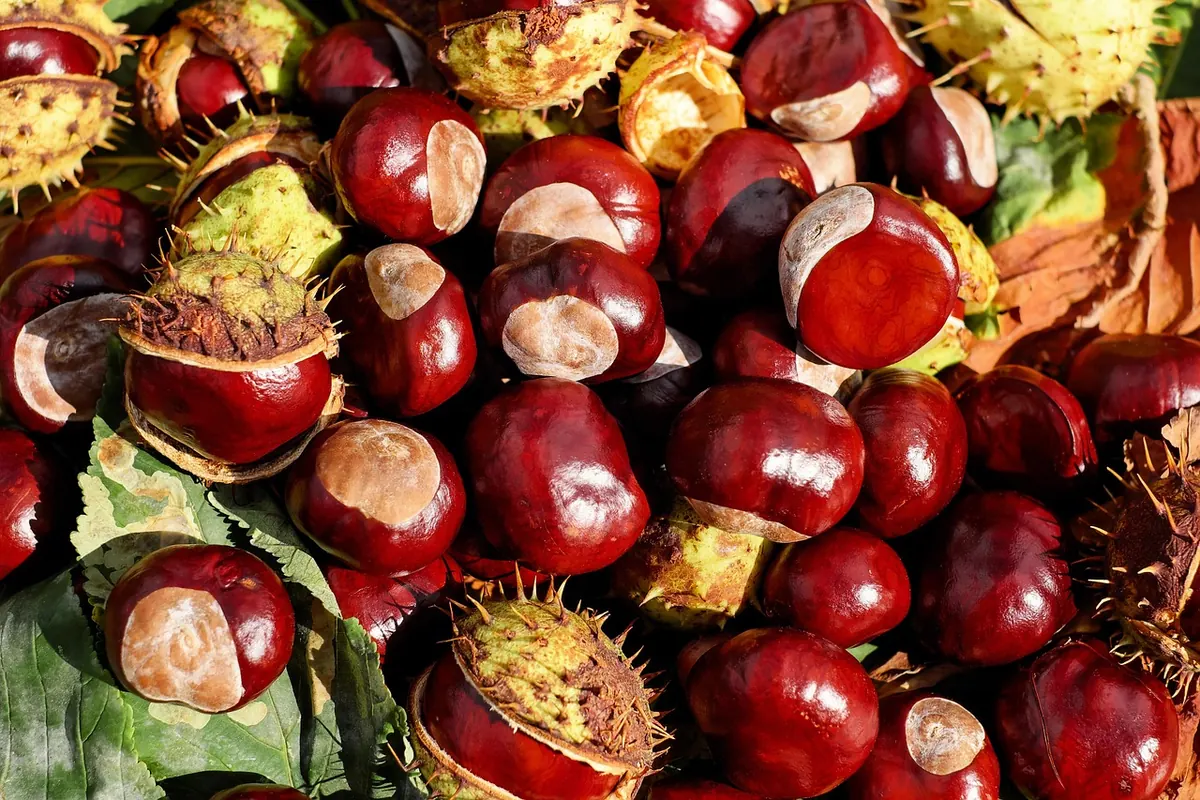

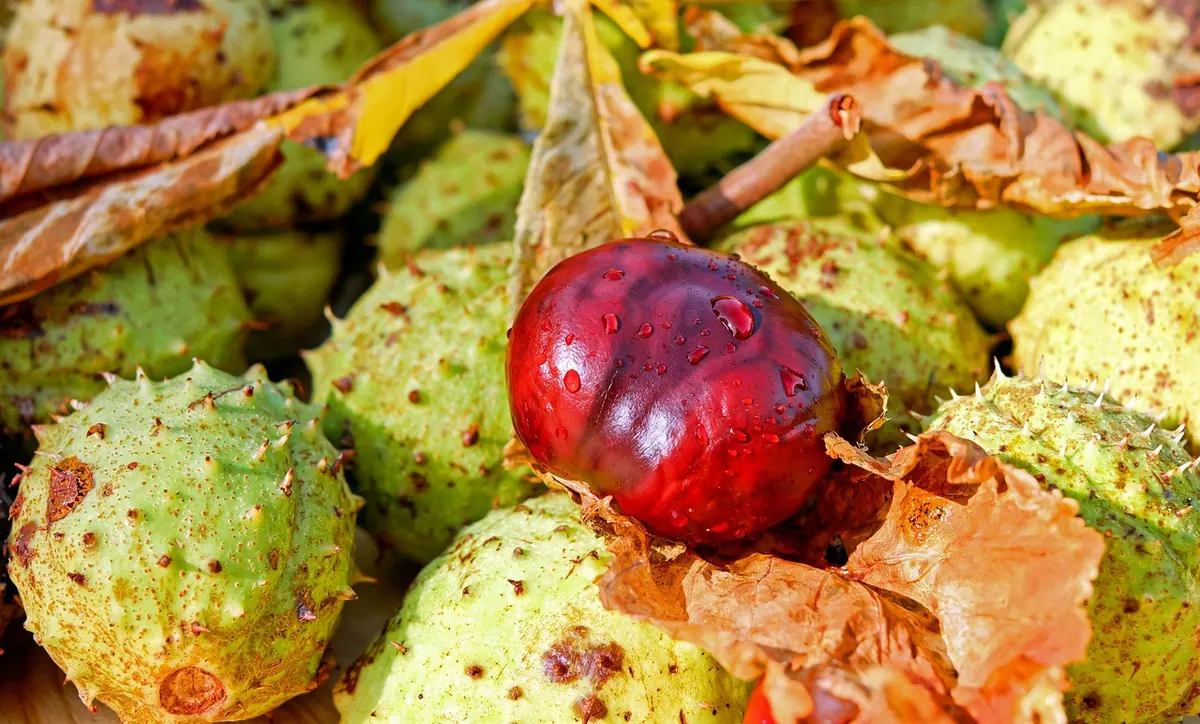
Autumn walks are full of small treasures: acorns, pinecones, and the glossy brown conkers that children love to collect. There's something satisfying about prying one from its spiky husk and feeling its smooth, cool surface. But before you hand a bucket of conkers to a toddler or let your dog sniff around the pile, it's worth knowing the risks. Conkers are not edible, and they can cause real harm if swallowed. The good news is that with a few simple precautions, you can enjoy conker season without a trip to the doctor or vet.
What makes conkers poisonous?
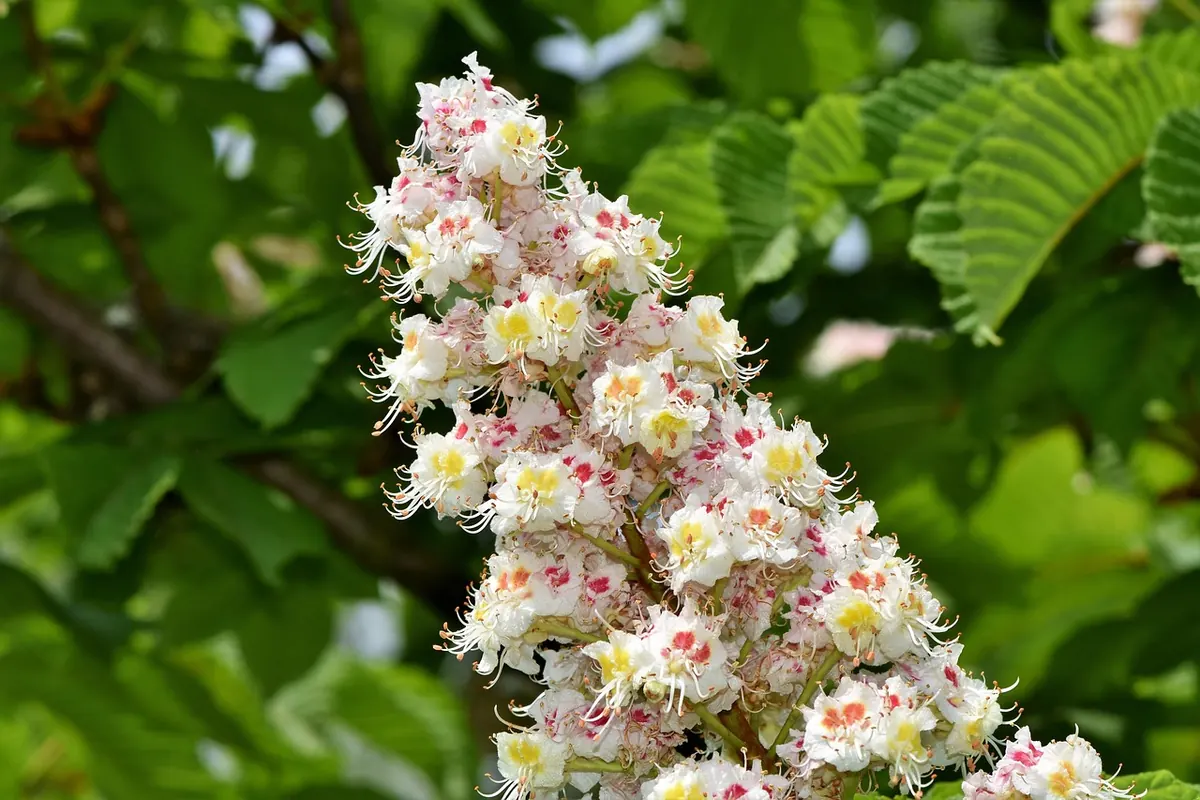
Conkers are the seeds of the horse chestnut tree (Aesculus hippocastanum). They are not the same as sweet chestnuts (Castanea sativa), which are safe to roast and eat. Horse chestnuts contain a mixture of toxic compounds, including aesculin and saponins. These substances are the tree's natural defence against animals that might eat its seeds. They are present in all parts of the tree—leaves, bark, flowers—but the conker itself has a concentrated dose.
If a person or pet eats a conker, the body reacts to these toxins. Common symptoms include nausea, vomiting, diarrhea, abdominal pain, and drooling. In more serious cases, you might see tremors, weakness, or confusion. There is no specific antidote; treatment is supportive, meaning fluids and medication to control symptoms. Most people recover, but the illness can be unpleasant and, in rare cases, dangerous—especially for small children or pets.
There is no exact safe amount. Toxicity depends on the size of the person or animal, how much was eaten, and whether it was chewed or swallowed whole. For a small child, even one or two conkers could cause vomiting and diarrhea. For a dog, a single conker might lead to stomach upset, while several could cause more severe signs. Because conkers taste bitter, many children spit them out immediately. But pets, especially puppies, are less discerning. If you suspect ingestion, treat it as an emergency and seek advice.
Choking and blockage risks
Toxicity is only half the story. Conkers are round, smooth, and roughly the size of a large marble or small golf ball. That makes them a perfect shape to lodge in a child's airway or a pet's throat. Choking can happen quickly and is a medical emergency.
For children, watch for coughing, gagging, wheezing, or inability to speak or breathe. For pets, signs include pawing at the mouth, drooling, retching, or difficulty breathing. Even if a conker passes into the stomach, it can cause an intestinal blockage, especially in small dogs. That may require surgery. The spiky husk is a hazard too—those green cases can scratch skin and eyes. Never let children throw husks at each other, and keep them away from pets that might chew on them.
Safe handling for children
Conker collecting is a wonderful outdoor activity. You don't need to ban it. Instead, set clear rules and supervise closely.
- Wash hands after handling. The toxins are not absorbed through intact skin, but residue can get on fingers and then into mouths. A quick wash with soap and water is enough.
- No mouthing. Teach children that conkers are not food. For toddlers, keep conkers out of reach entirely—they explore with their mouths.
- Use for crafts with care. Painting, threading, or making conker creatures is fine for older children. Avoid small pieces that could be swallowed, and keep hot glue guns and sharp tools supervised.
- Store safely. Keep conker collections in a sealed box or bag, away from young children and pets.
- If swallowed, act fast. Remove any remaining pieces from the mouth. Do not induce vomiting. Call your local poison control centre or emergency services for advice.
Some children develop skin irritation after handling conkers, though this is uncommon. If you notice a rash, wash the area and avoid further contact.
Keeping pets safe
Dogs are the most at-risk pets because they scavenge and chew. A conker in the garden is a tempting toy. Cats are less likely to eat them, but they can still bat them around and accidentally swallow.
Symptoms of conker poisoning in pets include vomiting, diarrhea, drooling, abdominal pain, restlessness, and tremors. In severe cases, seizures or collapse can occur. If you see any of these signs, call your vet immediately. Do not wait for symptoms to worsen.
Prevention is straightforward:
- Pick up fallen conkers from your garden, especially if you have a dog that likes to mouth things.
- Keep compost piles and leaf litter clear of conkers.
- Store craft conkers in a pet-proof container.
- Supervise pets during autumn walks in parks with horse chestnut trees.
- If your dog picks up a conker, gently remove it from the mouth—but don't risk a bite. Use a treat to trade.
Never induce vomiting in a pet unless your vet tells you to. Some toxins can cause more damage coming back up, and aspiration can lead to pneumonia.
What to do if a conker is eaten
Act quickly and calmly. For humans, contact a poison control centre or your doctor. In the UK, you can call 111 for advice. In the US, the Poison Help line is 1-800-222-1222. Be ready to say how much was eaten, when, and what symptoms have appeared. Do not give food or drink unless advised.
For pets, call your vet or an emergency animal hospital. Have the conker (or what's left of it) available for identification. Your vet may recommend inducing vomiting, giving activated charcoal, or monitoring at home. Follow their instructions exactly.
If the person or pet is choking, call emergency services immediately. Perform first aid if you are trained. For a choking child, back blows and abdominal thrusts are standard. For a choking dog, you can try a modified Heimlich manoeuvre, but only if you know how—otherwise, get to a vet fast.
Does cooking make conkers safe?
No. The toxins in horse chestnuts are not destroyed by heat. Roasting, boiling, or baking will not make them edible. This is a common misconception because sweet chestnuts are traditionally roasted. Always check the leaves: horse chestnut leaves have five to seven leaflets arranged like a hand, while sweet chestnut leaves are long and serrated. If you're not sure, don't eat it. Buy sweet chestnuts from a shop instead.
Enjoying conkers responsibly
Conkers are a brilliant part of autumn. They inspire games, crafts, and a bit of friendly competition. The risks are real but manageable. Supervise young children, wash hands after play, and keep conkers away from pets. If you have a dog that eats everything, consider leaving conkers at the park rather than bringing them home. And if ingestion does happen, don't hesitate to seek professional advice. A quick phone call can save a lot of worry—and keep the season fun for everyone.
Photo: Couleur / Pixabay