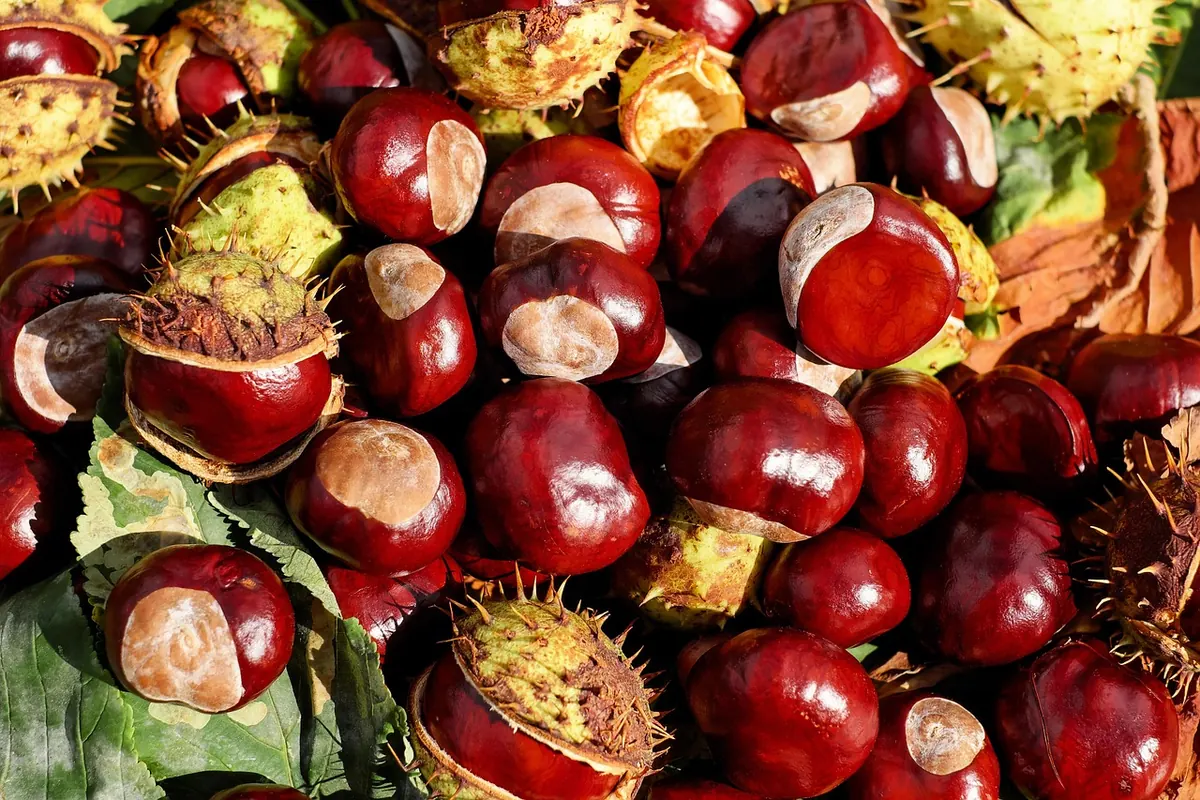

Every autumn the pavements under Britain's horse chestnut trees turn into an obstacle course of spiky green husks and glossy brown nuts, and somewhere a child picks one up, weighs it in a palm, and starts planning. That small act — pocketing a conker — begins a game played in schoolyards for the better part of two centuries, with rules invented on the spot, disputes settled by whoever shouts loudest, and a champion decided by a shoelace and a decent swing.
Before conkers: snail shells and hazelnuts
The game did not start with horse chestnuts. Long before anyone thought to drill a hole in one, children threaded things onto string and hit each other with them. Hazel cobnuts were strung and swung. Snail shells were, too, and in some dialects those shells were called conquerors — one of the leading explanations for where the word conker comes from. Another points to the French conque, meaning shell. Etymologists have argued about it for decades, and the answer is probably a bit of both, muddled by generations of children who never wrote anything down.
What is clear is that the principle was settled early: a hard object on the end of a string, an opponent holding the same, and a contest to see which one breaks first. Swap the shell for a nut and you have conkers.
The tree that came from the Balkans
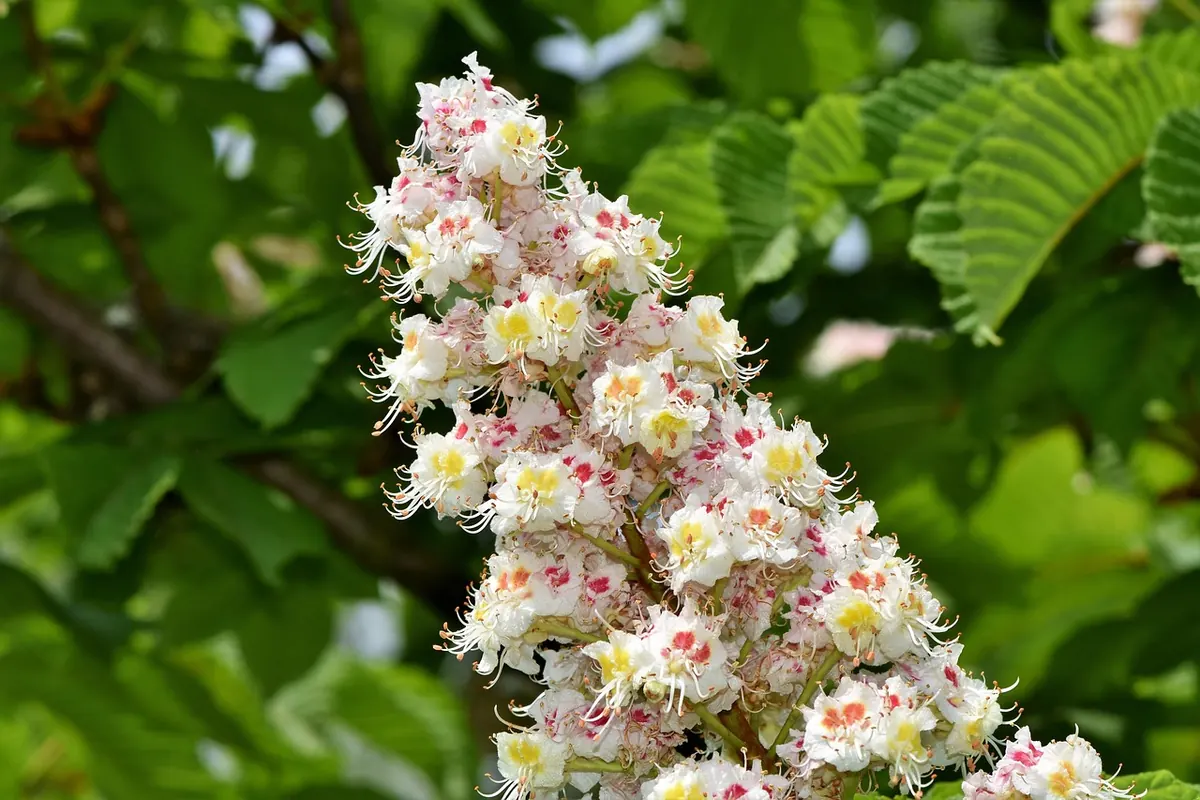
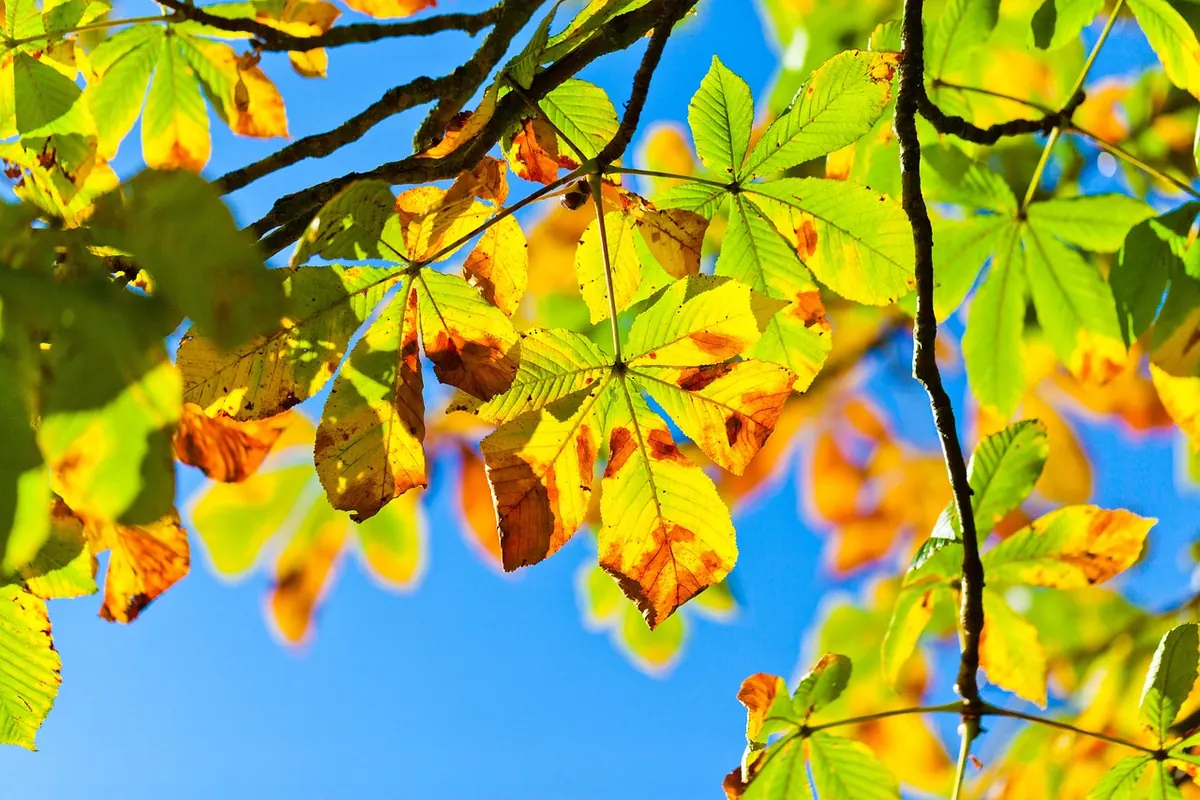
Britain's horse chestnut, Aesculus hippocastanum, is not a native. It arrived in the sixteenth century from the mountains of the Balkans and Turkey, planted in gardens and along avenues for the look of the thing — the candlestick flowers in May, the shade, the dramatic autumn colour. By the nineteenth century it was everywhere: parks, market squares, churchyards, the strip of grass outside the school gate.
Its seed is not a true chestnut. The sweet chestnut is edible; the horse chestnut is bitter, mildly toxic to people, and no good for roasting, which is precisely why it was free for the taking. The "horse" in the name is uncertain — fodder, medicine for horses, or perhaps the horseshoe shape of the leaf scar left on the twig, complete with little dots where the "nails" would be. That scar is worth a look next time you pass a tree.
Conkers at war and at work
Conkers were never only ammunition. The starch was used in laundry work and for stiffening cloth, whitening hemp and making paste for bookbinders. The saponins in the nut lather in water, so a sack of conkers has served as soap. During the First World War, when Britain needed acetone to make cordite, collections were organised and parks were stripped of their crop; the nuts were processed by fermentation to produce the solvent. Children who had spent their Octobers knocking conkers together were suddenly asked to gather them by the sackful. It was a stopgap alongside other sources of acetone, but for a season or two the horse chestnut looked less like a nuisance and more like a resource.
A schoolyard institution
The first game played with horse chestnuts is commonly dated to 1848 on the Isle of Wight. Treat that as folklore rather than fact — it has been repeated so often that nobody quite remembers who said it first. What is certain is that by late Victorian times the game was well established in Britain and Ireland, and it travelled with British habits to parts of the world where the tree would grow.
The season runs from the first fallen nuts in September to roughly the end of October, when the crop shrivels and goes soft. The rhythm of it is part of the appeal: a brief, intense window that everybody gets at once. Some schools banned the game over scraped knuckles, an unlucky fling or a complaint from a parent, and newspapers have always enjoyed the stories about protective goggles and risk assessments. Most players had no such equipment. They had a conker, a lace, and about ten minutes before the bell.
How the game is played
The rules vary from playground to playground, but the spine of it is this:
- Each player threads one conker onto a lace or bootlace and knots the end so the nut hangs free.
- Decide who strikes first — a coin toss, odds and evens, or whoever has the oldest conker.
- The striker coils the loose end of the lace around their hand, leaving the conker dangling about a hand's length down.
- The opponent holds their lace steady so their conker hangs still at a comfortable height.
- The striker swings. One hit only — no second attempts, no grabbing the target.
- Hits then alternate until a conker is smashed or comes off its lace. Its owner is out.
Beyond that, house rules do the rest:
- No stamps. Grinding a conker underfoot is a foul in most versions.
- No treating. Vinegar, baking, varnish and oil are all regarded as cheating in proper competition play. A fresh conker is the honest one.
- Keep score. Beat one conker and yours is a "one-er"; beat three and it is a "three-er". A high scorer is usually retired rather than risked.
- Snapped lace, dead conker. If your string gives way, you lose. Check it before you start.
The World Conker Championships
Competitive conkers got a proper home in 1965, when the World Conker Championships were founded in Northamptonshire. Held on the second Sunday of October, it has drawn entrants from a long list of countries, and organisers supply the conkers from a single batch so nobody arrives with an unfair advantage. A shoelace is the only permitted string, and