
Conkers have a season, and it is shorter than most people remember. For roughly three weeks from the middle of September, horse chestnut trees start shedding their spiny husks, and for a day or two after each windy night the ground beneath a good tree is worth a detour. Miss that window and you are picking over the leftovers: split, bruised, or already in someone else's pocket. The gap between a mediocre haul and a bag of genuinely good conkers comes down to three things — knowing which trees to watch, knowing when to walk to them, and knowing what to leave on the ground.
Know the tree before you crouch
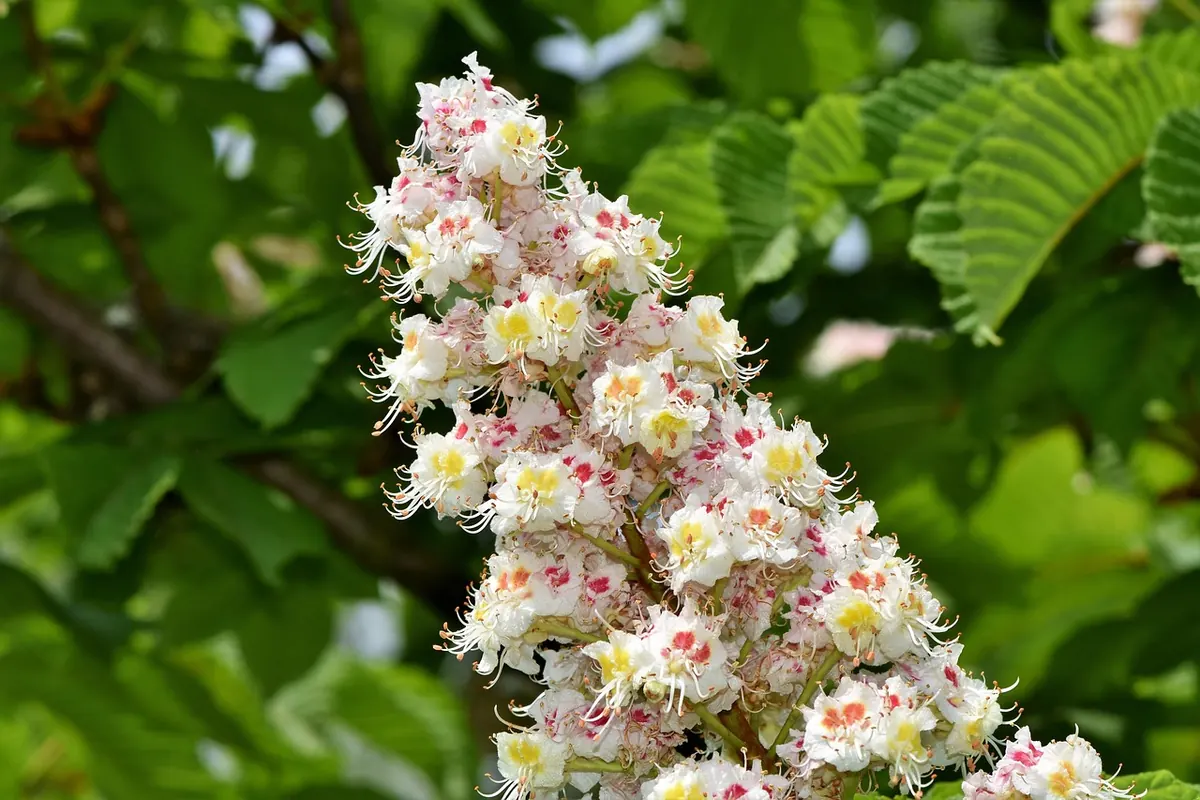
Horse chestnuts are easy to identify once you have looked at one properly, and confusing them with sweet chestnuts is the most common mistake of the season. A horse chestnut leaf is palmate: five to seven leaflets spreading from a single stalk, each leaflet broad and toothed at the edge, with the whole thing roughly the size of a dinner plate. The buds are large, dark and famously sticky. Young bark is smooth and grey; old bark breaks into scaly plates that often carry pale green lichen, which is a good sign rather than a bad one.
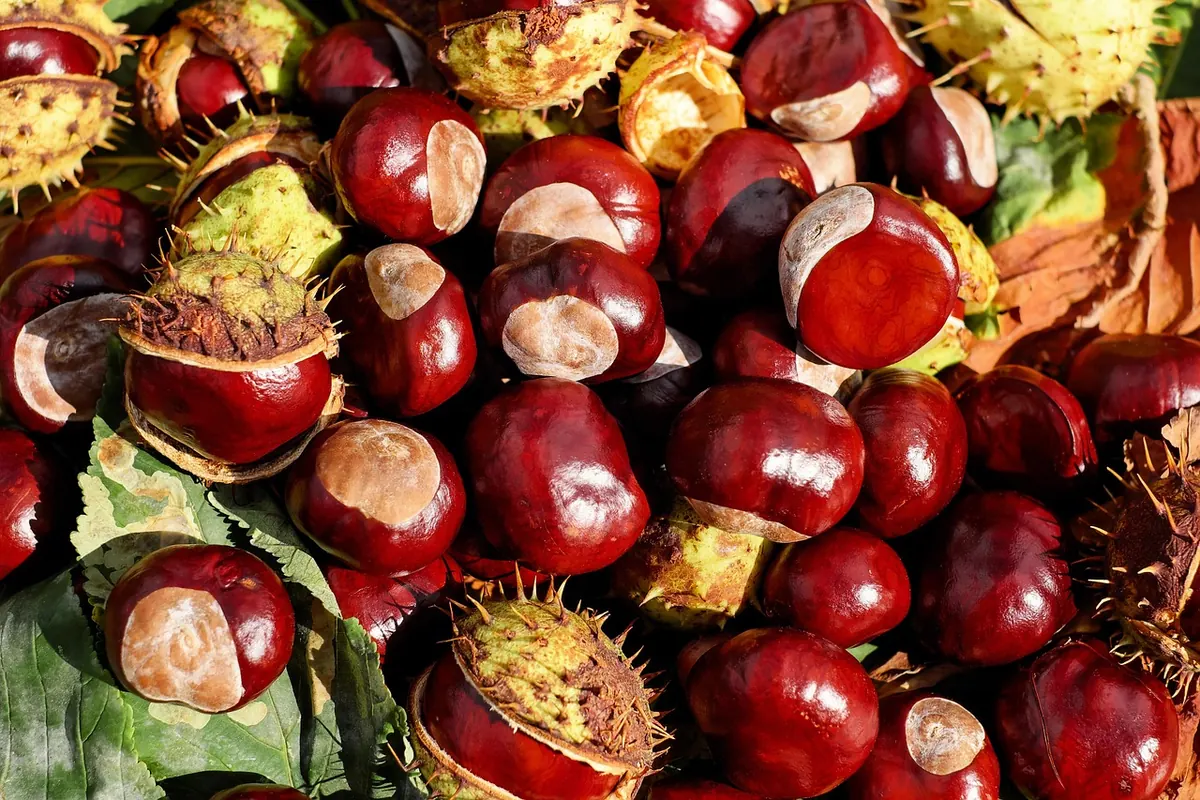
The husk is the giveaway. It is thick, leathery and studded with short, widely spaced spikes — a green sea urchin rather than a hedgehog. Inside sit one to three conkers, occasionally four, each a deep mahogany brown with a pale round scar where it was attached. Sweet chestnuts look quite different: long narrow leaves with fine teeth, and small nuts packed inside a densely spiky burr. Sweet chestnuts are edible. Horse chestnuts are not — they are mildly toxic to people and to dogs, so keep them away from mouths and paws.
Where the best trees actually grow
Horse chestnuts were planted in Britain as ornamentals far more often than as timber, which is useful news for foragers. They tend to turn up in the places Victorians and Edwardians wanted a bit of shade and drama:
- Municipal parks with wide paths and mature specimen trees, especially along the main walk and near bandstands or old bowling greens.
- Village greens, churchyards and the edges of cemeteries, where trees were planted for shelter and have never been felled.
- Long avenues and driveways — hospital entrances, old school grounds, the approach to a station car park.
- Canal towpaths and riverside walks, where the ground stays soft and conkers are less likely to be crushed by traffic.
- Railway embankment edges and the strips beside footpaths, which are mown rarely and often hide a decent crop.
Once you are on site, think about where a rolling conker would end up. Husks bounce and trundle, so check the downwind side of the trunk, the gutter along a kerb, the base of a fence or gatepost, and the flattened grass where feet have already passed. Verges that get mown weekly are a trap: you will find plenty of conkers, most of them sliced.
Timing the drop
The first husks to fall, usually in early September, are green and still closed. Conkers inside them are pale, soft and useless. The real drop comes later, when husks split on the tree into two or three valves and release their contents as they fall. Watch a favourite tree every couple of days and you will see the change: the husks on the ground start arriving open rather than whole, and the conkers beneath them are dark and firm.
The best morning of the year is the one after a windy night, before the school run and before the mowers. Arrive early, walk slowly, and look at the ground rather than the canopy. Rain softens the husks and darkens the conkers without harming them, so a wet night is no reason to stay home — just wear boots and expect muddy hands.
Reading a tree's health
Most horse chestnuts look tired by late summer, and this is usually nothing to worry about. The leaf-mining moth leaves brown blotches across the foliage, which makes a tree look half-dead in August while doing the conkers very little harm. Bleeding canker is a different matter: look for dark, sticky patches oozing on the trunk, sometimes with cracked or sunken bark around them. Trees with severe canker often carry a lighter crop of smaller, duller conkers, and they are worth avoiding anyway.
In general, big vigorous trees in the middle of a good run of years give the best return. A tree that cropped heavily last autumn may be lighter this time round, so it pays to have three or four trees on your route rather than one. Conkers from a stressed tree feel light for their size and often sit slightly misshapen; leave those and walk on.
What makes a prime conker
Sorting happens in the hand, not at home. Pick up more than you need, keep the best few from each tree, and drop the rest where you found them.
- Weight. It should feel heavy and dense for its size. A light conker is a dry or hollow one.
- Surface. Glossy and hard all over, with no soft patches, hairline cracks or small round holes. A hole means a weevil larva is inside.
- Colour. Deep, even mahogany. Pale, greasy-looking conkers are unripe and will shrivel.
- Shape. Perfectly round conkers look the part, but flat-sided ones are just as good and sit more comfortably in the fist.
- The scar. The pale patch should be dry and firm, not mushy or dark-ringed.
Size matters less than density. A medium conker that feels like a pebble will outlast a large one that feels like a cork.
Kit, manners and the wildlife question
You need very little: a cotton tote or canvas bag rather than a plastic one, because conkers sweat in plastic and grow mould; a pair of gardening gloves for prising open husks; and a stick for shifting nettles. Pockets are fine for the handful of favourites you will carry home separately.
Take only what has already fallen. Never shake a tree, break a branch or climb for a husk that is still attached — it is not worth it, and it damages next year's crop. Where land is private, ask. Golf courses, farmland, allotment boundaries and estate gardens all need permission, and local bylaws vary on how much you may gather from council-managed green space, so keep personal quantities modest and check if you plan to collect in bulk. Leave plenty behind: squirrels, deer and birds use conkers, and the next forager along the path deserves a chance too. Wash your hands afterwards — husk sap is bitter and stains.
The season in short
Find three or four horse chestnuts near you, and walk them every few days from mid-September. Go out the morning after a windy night, take a cloth bag and gloves, and pick from the ground only. Choose heavy, glossy, unmarked conkers and leave the pale or holed ones where they lie. Back home, spread them in a cool, dry room for a week or so before threading them; the old trick of baking them in the oven is best avoided, as it tends to make them brittle and split. Then drill, thread and play — and keep the bag well out of reach of children and dogs, because horse chestnuts are not food. If you think someone has eaten one, contact a doctor, NHS 111 or a vet rather than waiting to see.
Photo: pepperminting / Pixabay